Skip to contentmuskellunge, angling, esox, northern pike, lake, species, plug, fly, bass, fly fishing, hunting, trout, walleye, fishing tackle, fisherman, game fish, bait fish, jig, smallmouth bass, catch and release, apex predator, wisconsin, spawn, spinnerbait, mississippi river, swimbait, ice fishing, tiger muskellunge, gear, ambush predator, sonar, length, wind, bald eagle, cold front, email address, north america, behavior, crayfish, tributary, predatory fish, hybrid, tooth, freshwater fish, carp, american pickerel, great lakes, fishing bait, ontario, saltwater, perch, tuna, yellow perch, lake of the woods, striped bass, jaw, largemouth bass, natural resource, fishery, brook trout, meal, peacock bass, kayak fishing, giant trevally, crappie, habitat, rainbow trout
Frequently Asked Questions
Are muskellunge dangerous?
Muskellunge are not considered dangerous to humans. While they are large predatory fish with sharp teeth, they typically avoid interaction with people and pose minimal risk if handled properly during fishing excursions.
Are muskies dangerous?
Muskies are not inherently dangerous to humans. While they are large and powerful fish, they typically pose no threat unless provoked. Proper handling and respect for their habitat are essential for safe fishing experiences.
How many types of muskie are there?
There are two primary types of muskie: the Northern Muskellunge and the Tiger Muskellunge. The Northern Muskellunge is the most common, while the Tiger Muskellunge is a hybrid between the Northern and the Eastern Muskellunge.
Do muskie taste good?
Muskie are known for their mild flavor and firm, white flesh, making them a tasty option for those who enjoy freshwater fish. However, their taste can vary depending on the fish's diet and habitat.
Are muskie good to eat?
Muskie are often considered edible, but their taste can be quite variable. While some anglers enjoy their firm, white flesh, others find it less appealing compared to other fish species.
Are muskie cold water fish?
Muskie are not strictly cold water fish; they thrive in a range of water temperatures but prefer cooler waters, typically between 65°F and 75°F.
Can muskie fish be eaten?
Muskie fish can be eaten, but they are often considered less desirable due to their strong flavor and bony structure. Many anglers prefer catch and release to promote sustainability.
Are muskie rare?
Muskie are not considered rare, but their populations can be localized and vary by region. In Wisconsin, they are sought after by anglers, and sustainable practices help maintain their numbers.
Are muskie fish hard to catch?
Muskie fish can be challenging to catch due to their elusive nature, size, and specific habitat preferences. However, with the right techniques and guidance, anglers can improve their chances of landing these prized fish.
Do muskie attack humans?
Muskies do not typically attack humans. These fish are generally wary of people and pose little threat, focusing instead on their natural prey in the water.
Are muskie aggressive?
Muskie are known for their aggressive behavior, especially when hunting for prey. Their predatory nature makes them formidable fighters, often exhibiting bursts of speed and power when hooked.
Are muskies dangerous to humans?
Muskies are not dangerous to humans. While they are large and powerful fish, they typically do not pose a threat unless provoked. Respectful handling and proper fishing practices ensure a safe and enjoyable experience.
Are muskie fish dangerous?
Muskie fish are not inherently dangerous to humans. While they are large predators with sharp teeth, they typically avoid contact with people and pose minimal threat if handled properly.
Are muskellunge aggressive?
Muskellunge are known for their aggressive behavior, particularly when hunting for prey. They exhibit quick strikes and can be territorial, making them exciting targets for anglers seeking a thrilling fishing experience.
Are muskie fish edible?
Muskie fish are indeed edible, but they are often considered a catch-and-release species due to their low population numbers and the importance of conservation. When prepared correctly, they can be enjoyed in various dishes.
Are muskie good eating fish?
Muskie are considered good eating fish by some anglers, though their flavor can be mild and somewhat dependent on their habitat. Many prefer catch and release for sustainability, but if prepared properly, they can make for a tasty meal.
Are muskellunge good to eat?
Muskellunge are edible, but their taste can be subjective. Many anglers enjoy their firm, white flesh, while others prefer more commonly eaten fish. Proper preparation is key to enhancing their flavor.
Are muskie fish good to eat?
Muskie fish can be enjoyable to eat, but their taste is often considered less favorable compared to other species. Many anglers prefer catch and release for muskies, promoting sustainable fishing practices.
Are muskellunge endangered?
Muskellunge are not considered endangered; however, their populations can be affected by habitat loss and overfishing. Sustainable fishing practices are essential to ensure their continued health and availability in Wisconsin waters.
Are muskie edible?
Muskie are indeed edible and can be quite delicious when prepared properly. However, many anglers practice catch and release to conserve their populations and ensure a sustainable fishing experience.
Does muskie taste good?
Muskie is often considered a delicacy by anglers, with a mild flavor and firm texture that many enjoy. However, its taste can vary, and it's best prepared fresh for optimal enjoyment.
Are muskie fish in Australia?
Muskie fish are not native to Australia. They are primarily found in North America, particularly in the Great Lakes and surrounding areas, where they thrive in freshwater environments.
Are muskellunge carnivores?
Muskellunge are carnivores, primarily feeding on other fish, making them apex predators in their aquatic habitats. Their diet consists of various fish species, which helps maintain the balance in the ecosystem.
What habitat do muskies prefer?
Muskies prefer habitats that include clear, weedy lakes and rivers with ample cover, such as submerged logs and rocks. They thrive in areas with both shallow and deep waters, where they can hunt for prey effectively.
How fast can muskellunge swim?
Muskellunge can swim at impressive speeds, reaching up to 10 miles per hour (16 kilometers per hour) in short bursts. This agility helps them effectively hunt and evade predators in their aquatic habitats.
What is the lifespan of a muskie?
The lifespan of a muskie typically ranges from 15 to 20 years in the wild, although some individuals may live longer under optimal conditions.
Are muskie fishing regulations strict?
Muskie fishing regulations are indeed strict. These rules are designed to protect the species and ensure sustainable fishing practices, including size limits and specific seasons for catch and release.
What lures are best for musky fishing?
The best lures for musky fishing include large spinnerbaits, bucktail jigs, and topwater plugs. These lures effectively mimic the prey of muskies and attract their attention, making them ideal for successful fishing excursions.
How to identify a muskellunge?
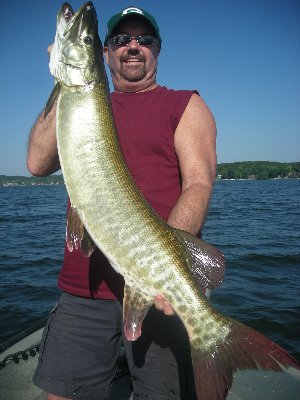
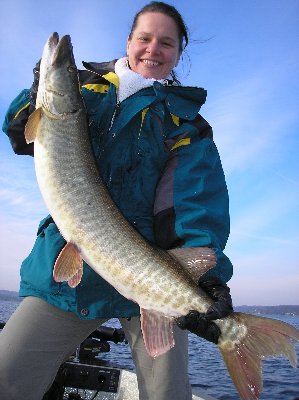
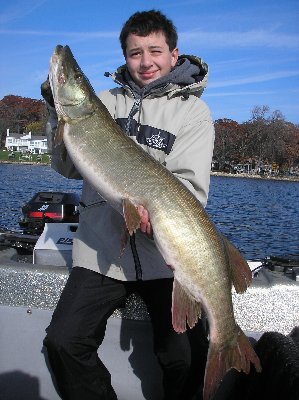
Identifying a muskellunge involves recognizing its elongated body, sharp teeth, and distinctive coloration, which includes a greenish or grayish body with light, irregular spots. They typically have a pointed snout and can grow quite large, making them unique among freshwater fish.
What are common muskie fishing techniques?
Common muskie fishing techniques include trolling with large lures, casting topwater baits, and using live bait. Anglers often employ figure-eight retrieves near the boat to provoke strikes, enhancing their chances of catching this elusive predator.
muskie fish, musky or muskie, musky fish, hybrid muskie, muskie lakes in michigan
muskellunge, angling, esox, northern pike, lake, species, plug, fly, bass, fly fishing, hunting, trout, walleye, fishing tackle, fisherman, game fish, bait fish, jig, smallmouth bass, catch and release, apex predator, wisconsin, spawn, spinnerbait, mississippi river, swimbait, ice fishing, tiger muskellunge, gear, ambush predator, sonar, length, wind, bald eagle, cold front, email address, north america, behavior, crayfish, tributary, predatory fish, hybrid, tooth, freshwater fish, carp, american pickerel, great lakes, fishing bait, ontario, saltwater, perch, tuna, yellow perch, lake of the woods, striped bass, jaw, largemouth bass, natural resource, fishery, brook trout, meal, peacock bass, kayak fishing, giant trevally, crappie, habitat, rainbow trout
Frequently Asked Questions
Are muskellunge dangerous?
Muskellunge are not considered dangerous to humans. While they are large predatory fish with sharp teeth, they typically avoid interaction with people and pose minimal risk if handled properly during fishing excursions.
Are muskies dangerous?
Muskies are not inherently dangerous to humans. While they are large and powerful fish, they typically pose no threat unless provoked. Proper handling and respect for their habitat are essential for safe fishing experiences.
How many types of muskie are there?
There are two primary types of muskie: the Northern Muskellunge and the Tiger Muskellunge. The Northern Muskellunge is the most common, while the Tiger Muskellunge is a hybrid between the Northern and the Eastern Muskellunge.
Do muskie taste good?
Muskie are known for their mild flavor and firm, white flesh, making them a tasty option for those who enjoy freshwater fish. However, their taste can vary depending on the fish's diet and habitat.
Are muskie good to eat?
Muskie are often considered edible, but their taste can be quite variable. While some anglers enjoy their firm, white flesh, others find it less appealing compared to other fish species.
Are muskie cold water fish?
Muskie are not strictly cold water fish; they thrive in a range of water temperatures but prefer cooler waters, typically between 65°F and 75°F.
Can muskie fish be eaten?
Muskie fish can be eaten, but they are often considered less desirable due to their strong flavor and bony structure. Many anglers prefer catch and release to promote sustainability.
Are muskie rare?
Muskie are not considered rare, but their populations can be localized and vary by region. In Wisconsin, they are sought after by anglers, and sustainable practices help maintain their numbers.
Are muskie fish hard to catch?
Muskie fish can be challenging to catch due to their elusive nature, size, and specific habitat preferences. However, with the right techniques and guidance, anglers can improve their chances of landing these prized fish.
Do muskie attack humans?
Muskies do not typically attack humans. These fish are generally wary of people and pose little threat, focusing instead on their natural prey in the water.
Are muskie aggressive?
Muskie are known for their aggressive behavior, especially when hunting for prey. Their predatory nature makes them formidable fighters, often exhibiting bursts of speed and power when hooked.
Are muskies dangerous to humans?
Muskies are not dangerous to humans. While they are large and powerful fish, they typically do not pose a threat unless provoked. Respectful handling and proper fishing practices ensure a safe and enjoyable experience.
Are muskie fish dangerous?
Muskie fish are not inherently dangerous to humans. While they are large predators with sharp teeth, they typically avoid contact with people and pose minimal threat if handled properly.
Are muskellunge aggressive?
Muskellunge are known for their aggressive behavior, particularly when hunting for prey. They exhibit quick strikes and can be territorial, making them exciting targets for anglers seeking a thrilling fishing experience.
Are muskie fish edible?
Muskie fish are indeed edible, but they are often considered a catch-and-release species due to their low population numbers and the importance of conservation. When prepared correctly, they can be enjoyed in various dishes.
Are muskie good eating fish?
Muskie are considered good eating fish by some anglers, though their flavor can be mild and somewhat dependent on their habitat. Many prefer catch and release for sustainability, but if prepared properly, they can make for a tasty meal.
Are muskellunge good to eat?
Muskellunge are edible, but their taste can be subjective. Many anglers enjoy their firm, white flesh, while others prefer more commonly eaten fish. Proper preparation is key to enhancing their flavor.
Are muskie fish good to eat?
Muskie fish can be enjoyable to eat, but their taste is often considered less favorable compared to other species. Many anglers prefer catch and release for muskies, promoting sustainable fishing practices.
Are muskellunge endangered?
Muskellunge are not considered endangered; however, their populations can be affected by habitat loss and overfishing. Sustainable fishing practices are essential to ensure their continued health and availability in Wisconsin waters.
Are muskie edible?
Muskie are indeed edible and can be quite delicious when prepared properly. However, many anglers practice catch and release to conserve their populations and ensure a sustainable fishing experience.
Does muskie taste good?
Muskie is often considered a delicacy by anglers, with a mild flavor and firm texture that many enjoy. However, its taste can vary, and it's best prepared fresh for optimal enjoyment.
Are muskie fish in Australia?
Muskie fish are not native to Australia. They are primarily found in North America, particularly in the Great Lakes and surrounding areas, where they thrive in freshwater environments.
Are muskellunge carnivores?
Muskellunge are carnivores, primarily feeding on other fish, making them apex predators in their aquatic habitats. Their diet consists of various fish species, which helps maintain the balance in the ecosystem.
What habitat do muskies prefer?
Muskies prefer habitats that include clear, weedy lakes and rivers with ample cover, such as submerged logs and rocks. They thrive in areas with both shallow and deep waters, where they can hunt for prey effectively.
How fast can muskellunge swim?
Muskellunge can swim at impressive speeds, reaching up to 10 miles per hour (16 kilometers per hour) in short bursts. This agility helps them effectively hunt and evade predators in their aquatic habitats.
What is the lifespan of a muskie?
The lifespan of a muskie typically ranges from 15 to 20 years in the wild, although some individuals may live longer under optimal conditions.
Are muskie fishing regulations strict?
Muskie fishing regulations are indeed strict. These rules are designed to protect the species and ensure sustainable fishing practices, including size limits and specific seasons for catch and release.
What lures are best for musky fishing?
The best lures for musky fishing include large spinnerbaits, bucktail jigs, and topwater plugs. These lures effectively mimic the prey of muskies and attract their attention, making them ideal for successful fishing excursions.
How to identify a muskellunge?
Identifying a muskellunge involves recognizing its elongated body, sharp teeth, and distinctive coloration, which includes a greenish or grayish body with light, irregular spots. They typically have a pointed snout and can grow quite large, making them unique among freshwater fish.
What are common muskie fishing techniques?
Common muskie fishing techniques include trolling with large lures, casting topwater baits, and using live bait. Anglers often employ figure-eight retrieves near the boat to provoke strikes, enhancing their chances of catching this elusive predator.
muskie fish, musky or muskie, musky fish, hybrid muskie, muskie lakes in michigan