Frequently Asked Questions
Where can northern pike be found?
Northern pike can be found in a variety of freshwater habitats, including lakes, rivers, and marshes, particularly in regions with abundant vegetation and clear water, making them a popular target for anglers.
Where are northern pike native to?
Northern pike are native to North America, Europe, and Asia, primarily inhabiting freshwater lakes, rivers, and marshes across these regions. They thrive in areas with ample vegetation and suitable temperatures.
Where do northern pike live?
Northern pike inhabit a variety of freshwater environments, including lakes, rivers, and marshes, often favoring areas with abundant vegetation and shallow waters where they can hunt for prey.
Where are northern pike located?
Northern pike are primarily located in freshwater environments such as lakes, rivers, and marshes across North America, Europe, and Asia, often favoring areas with abundant vegetation and shallow waters.
How big do northern pike get?
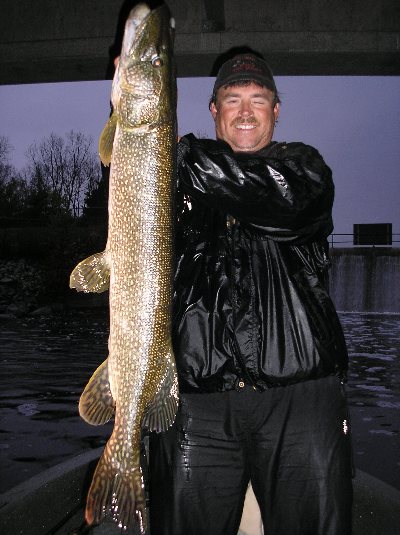
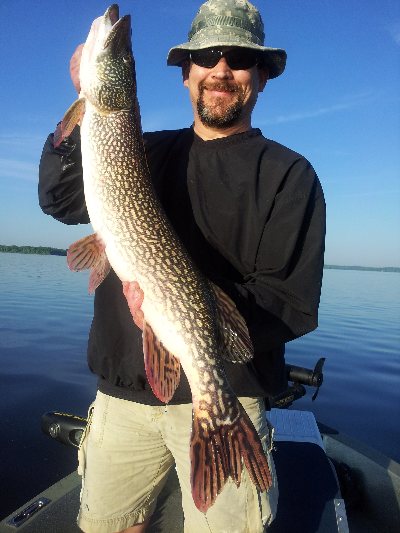
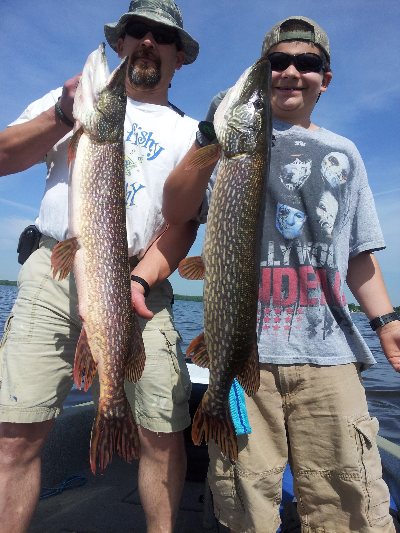
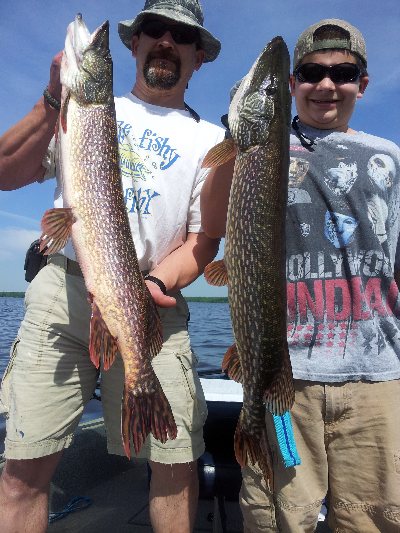
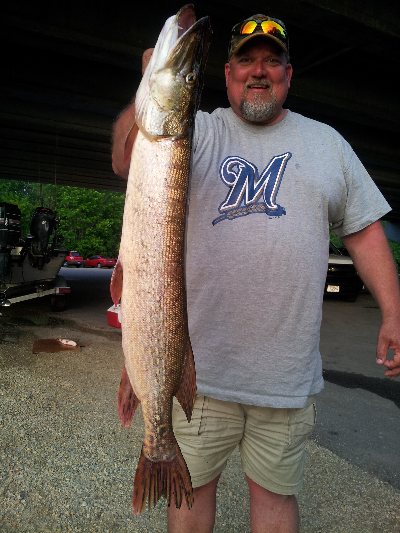
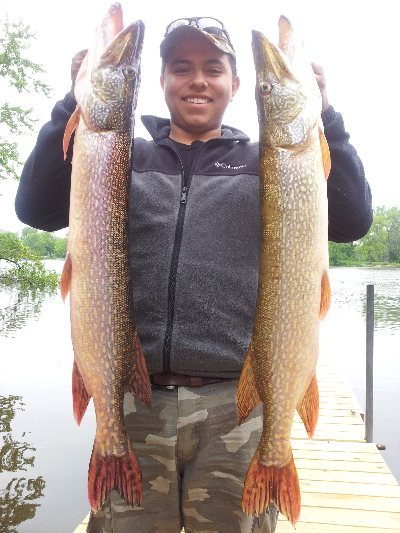
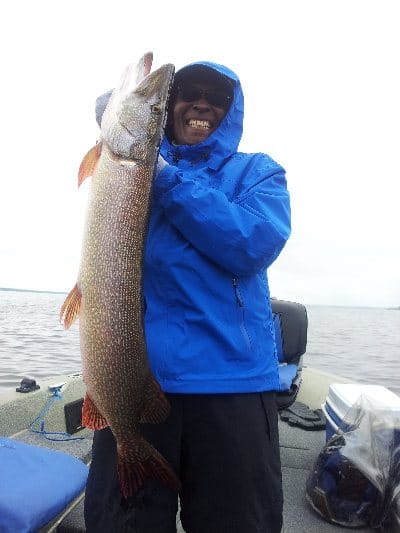
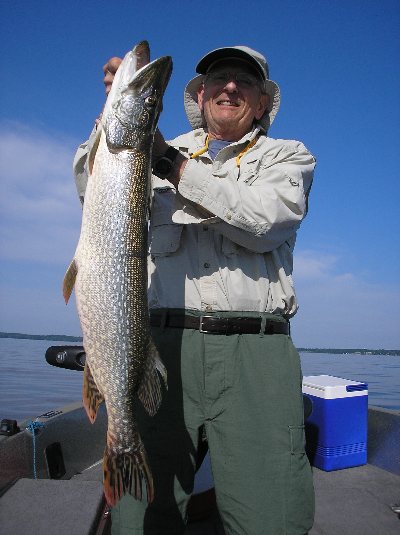
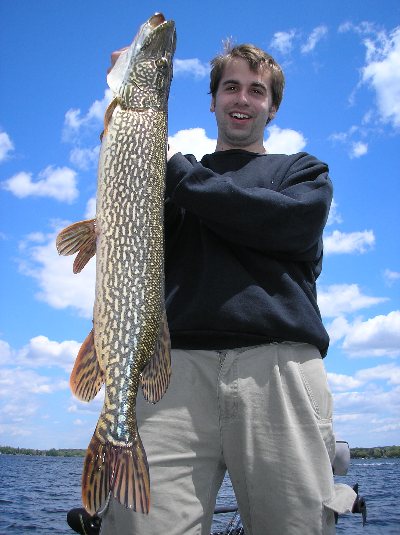
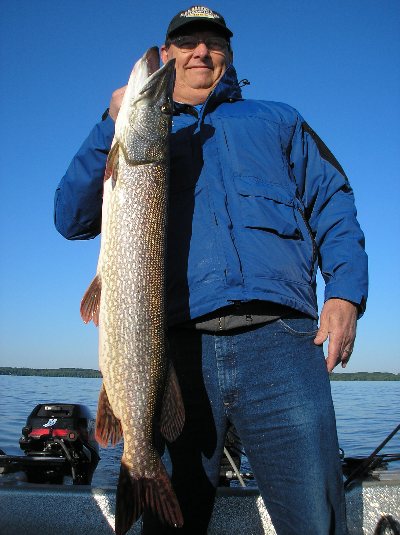
Northern pike can grow to impressive sizes, typically reaching lengths of 24 to 36 inches, with some exceptional individuals exceeding 50 inches and weighing over 30 pounds.
Where are the biggest northern pike?
The biggest northern pike are typically found in large, shallow lakes and rivers with abundant vegetation, particularly in northern regions of North America, such as Canada and the northern United States.
What habitats support northern pike survival?
The habitats that support northern pike survival include shallow lakes, marshes, and slow-moving rivers with abundant vegetation. These environments provide essential cover for hunting and spawning, ensuring a healthy population of northern pike.
How do northern pike adapt to environments?
Northern pike adapt to their environments by utilizing their keen senses and agile bodies, allowing them to thrive in various freshwater habitats, from weedy shallows to open waters, where they can effectively hunt for prey.
What food sources attract northern pike?
The food sources that attract northern pike include smaller fish like perch, minnows, and sunfish, as well as amphibians and small mammals. These prey items are essential for enticing pike during fishing expeditions.
What conditions favor northern pike growth?
The conditions that favor northern pike growth include abundant prey availability, suitable water temperatures (typically between 65°F and 75°F), and healthy aquatic vegetation, which provides cover and breeding grounds.
When do northern pike spawn each year?
Northern pike spawn each year typically in the early spring, when water temperatures reach around 40 to 50 degrees Fahrenheit, often coinciding with the thawing of ice and the rising water levels in their habitats.
What temperature ranges do northern pike prefer?
Northern pike prefer water temperatures ranging from 60°F to 75°F (15°C to 24°C). This optimal range supports their feeding and spawning activities, making it ideal for fishing expeditions.
How do northern pike hunt for prey?
Northern pike hunt for prey using a combination of stealth and speed. They lie in wait among vegetation or structures, then quickly strike at passing fish with a powerful lunge, often targeting smaller fish species.
What fishing techniques work for northern pike?
Effective fishing techniques for northern pike include using live bait, such as minnows, or artificial lures like spinnerbaits and jerkbaits. Additionally, trolling and casting near weed beds and structures can yield successful catches.
How fast can northern pike swim?
Northern pike can swim at speeds of up to 10 miles per hour (16 kilometers per hour) in short bursts, making them agile predators in freshwater environments.
What time of day are northern pike active?
Northern pike are most active during early morning and late evening hours. These times provide optimal conditions for fishing, as pike tend to hunt for prey more aggressively during low light periods.
How do northern pike behave during winter?
Northern pike exhibit slower metabolism and reduced activity during winter. They tend to stay in deeper waters, seeking shelter near structures, and become less aggressive, making them more challenging to catch.
What are common predators of northern pike?
Common predators of northern pike include larger fish species such as muskellunge and lake trout, as well as birds of prey like eagles and ospreys, which can hunt them in shallow waters.
What role do northern pike play in ecosystems?
The role of northern pike in ecosystems is significant as they are top predators that help maintain the balance of fish populations. By controlling the numbers of smaller fish species, they contribute to the overall health and biodiversity of freshwater ecosystems.
How can you identify mature northern pike?
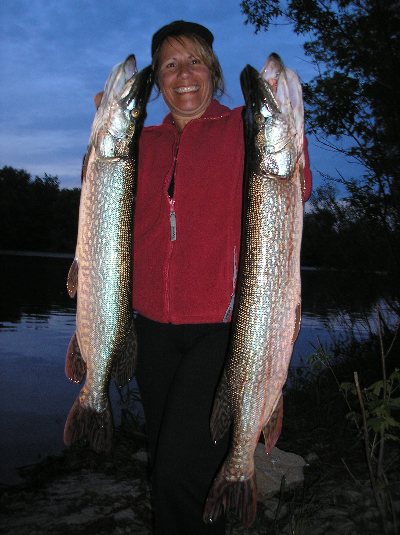
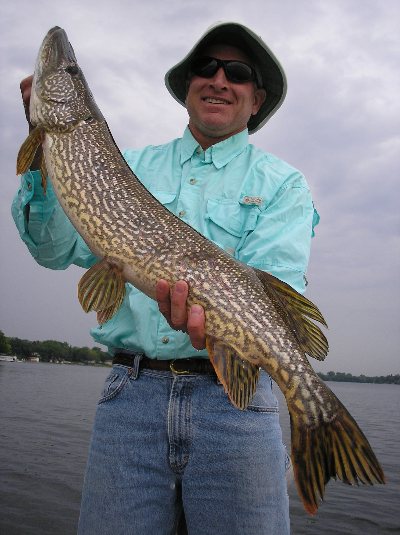
Mature northern pike can be identified by their size, typically reaching lengths of 24 inches or more, and their distinctive coloration, featuring a dark green or gray body with lighter, sporadic spots. Additionally, mature pike have a more robust body shape and larger, sharper teeth.
What geographical regions have the most northern pike?
The geographical regions with the most northern pike are primarily found in North America, particularly in Canada and the northern United States, including states like Minnesota, Wisconsin, and Michigan, as well as parts of Alaska.
What are the breeding habits of northern pike?
The breeding habits of northern pike involve spawning in shallow, vegetated areas during early spring when water temperatures reach around 40-50°F. Females lay thousands of eggs, which adhere to plants, providing protection until they hatch.
How do northern pike protect their territory?
Northern pike protect their territory by aggressively defending their spawning areas and hunting grounds from intruders. They use their keen senses to detect movements and will chase away other fish that threaten their space.
What environmental changes affect northern pike migration?
Environmental changes that affect northern pike migration include variations in water temperature, changes in water levels, and alterations in habitat due to pollution or development. These factors can influence spawning patterns and the availability of food sources.
How do anglers target larger northern pike?
Anglers target larger northern pike by using larger baits, such as big swimbaits or live fish, and focusing their efforts in deeper waters or near structures like weed beds and drop-offs where pike are known to ambush prey.
What are the typical lifespans of northern pike?
The typical lifespans of northern pike are around 7 to 10 years, although some individuals can live up to 15 years or more under optimal conditions.
What methods help in northern pike conservation?
Methods that help in northern pike conservation include habitat protection, sustainable fishing practices, and implementing catch-and-release regulations to ensure healthy populations and ecosystems. These efforts promote the long-term survival of northern pike in their natural habitats.
How do northern pike influence sport fishing?
Northern pike significantly influence sport fishing by attracting anglers seeking the thrill of catching this powerful predator. Their aggressive behavior and size make them a popular target, enhancing the overall fishing experience and promoting conservation efforts in freshwater ecosystems.
What physical characteristics define a northern pike?
The physical characteristics that define a northern pike include a long, slender body, sharp teeth, and a pointed snout. They typically exhibit a greenish coloration with lighter, sporadic spots along their sides.
How do adult northern pike compete for food?
Adult northern pike compete for food primarily through territorial behavior and by leveraging their speed and stealth to ambush prey. They often hunt alone, targeting smaller fish and using their sharp teeth to secure their catch effectively.